
Ivy Studio: Shaping Montréal, One Space at a Time
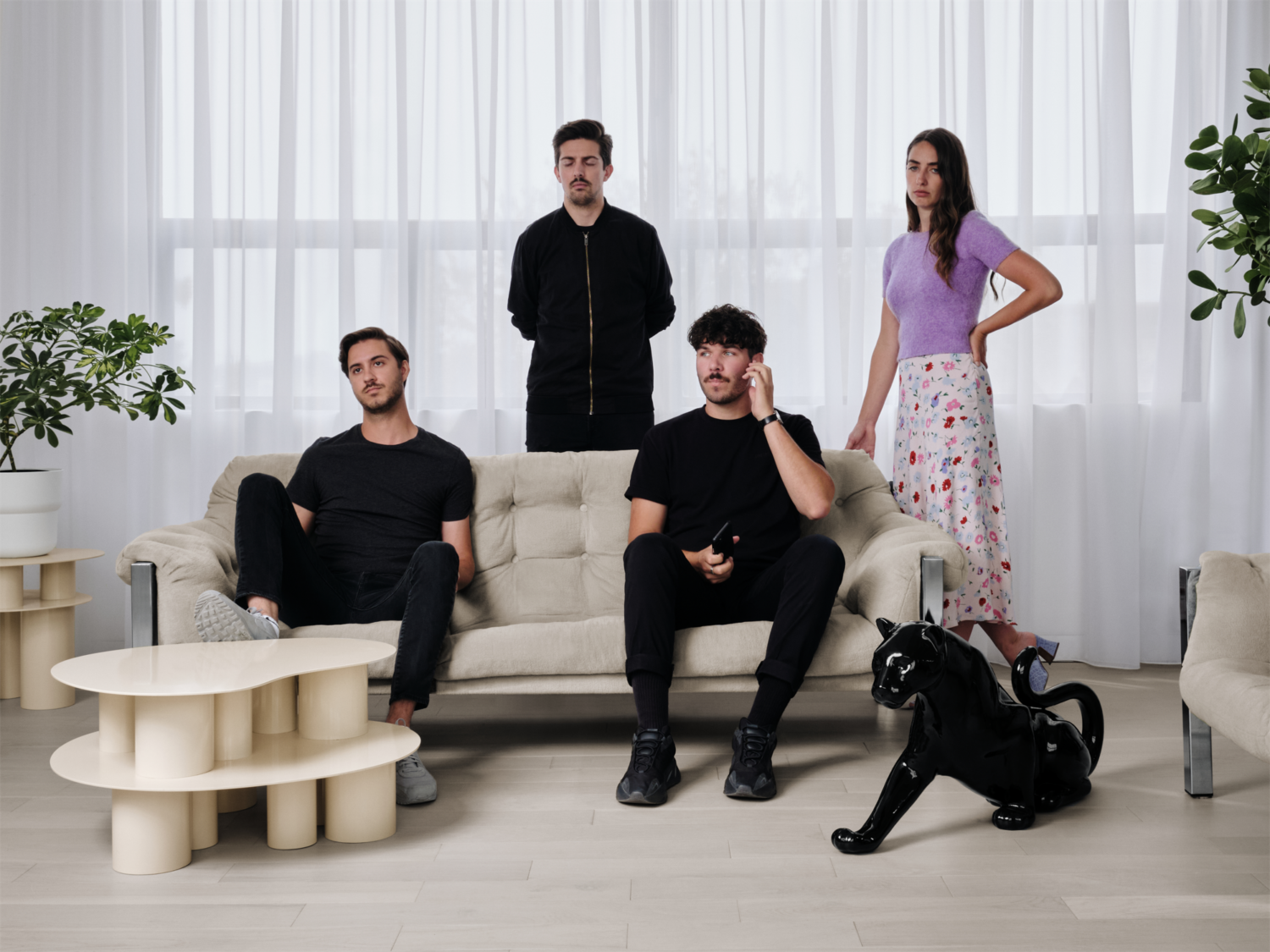
In this interview series, we meet people from diverse backgrounds who share their perspectives on the city: those who shape it, transform it and bring it to life. In this interview, Philip Staszewski of Ivy Studio, a Montréal-based architecture and interior design firm, discusses their approach to spatial branding, the soul of Montréal and the sense of responsibility they feel towards the city.
Ivy Studio was born out of the coming together of four partners with complementary backgrounds. What led you to start your own studio, and what vision did you want to champion from the outset?
Philip Staszewski: We were close at university and had already worked together on several projects. We knew each other’s strengths and personalities, and above all, we knew we made a good team. After graduating, we each gained different professional experience, then found ourselves sharing the same desire: to be involved in every aspect of our work. Choosing projects, developing our architectural language, defining the studio’s artistic direction, but also understanding finances, client relationships and everything that goes into running a business. We wanted to learn by building something of our own.
Our ambition was to create bold and unexpected projects, particularly in places where you would least expect them. We wanted to make design more present in everyday life, beyond high-end residences and major restaurants. A sports centre, a clinic or a small neighbourhood business also deserves a strong identity and genuine architectural consideration. We wanted to show just how much design can transform the perception of a business, the customer experience and even its commercial success. Having that value recognized and helping raise expectations is still what motivates us today.
Your work often begins by helping clients define who they are. What does that initial conversation look like? And how does that thinking translate into your approach to “spatial branding”?
We start by understanding the person behind the project: their values, their passions, how they see their business and how they would like it to be perceived. We also want to understand their priorities. Are we looking to maximize the number of seats or products on display? Or provide a particularly comfortable customer experience, even if that means dedicating more space to it? These discussions give the project direction long before we choose a material.
We really like asking clients which places and brands inspire them, especially outside their own industry. A sports centre might be drawn to the warm atmosphere of a restaurant or the intimate character of a speakeasy. Veterinarians might appreciate Brutalist architecture and want to recreate that striking feeling you get when entering a monumental building made of stone. These are much more personal and fertile starting points than the usual references within a given industry.
Spatial branding is the physical translation of that identity. A business might want to feel warm and welcoming, or have a more laid-back, more radical attitude. Space allows us to convey that personality through light, volumes, materials and movement. We add a dimension to graphic design that people can inhabit, touch and experience. This transition from identity to experience is what fascinates us: giving concrete form to something that initially exists mostly in the client’s mind.
Your projects stand out for their colours, textures and sometimes daring material choices. How do you build a strong visual identity without falling into the trap of following trends?
Colours and materials emerge from the interaction of several elements: the existing building, the client’s identity, the intended uses and the project’s constraints. We pay relatively little attention to what competitors are doing. Our references tend to come from other building types, other countries or other eras. By combining these influences with the reality of the project, we arrive at something distinctive.
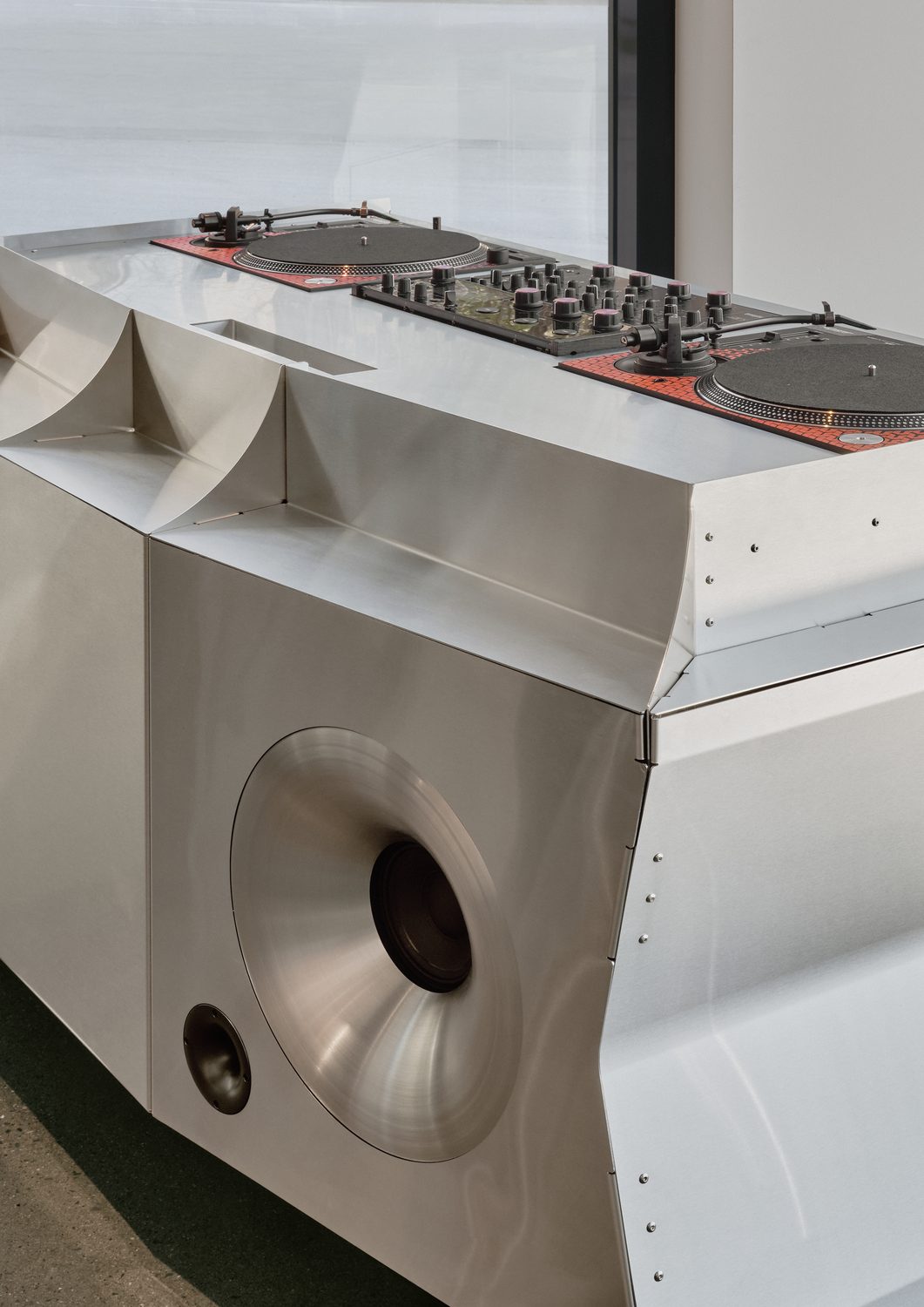
Even when the result is bold, the composition is often based on fairly simple principles. A strong colour or shape can be repeated across different elements and gain depth through variations in materials. A predominantly grey and cool-toned space, for example, can become very rich by bringing polished metal, raw stone and translucent acrylic together. A warm wood core then takes on an even stronger presence through contrast.
We like this way of working: starting with a clear idea and developing it with precision. Light, proportions, textures and the relationships between spaces already give us an enormous range of possibilities. By returning to these fundamentals, we create architecture that can remain compelling beyond changing trends.
You travel regularly. Is there a city that has fundamentally changed the way you think about architecture or design?
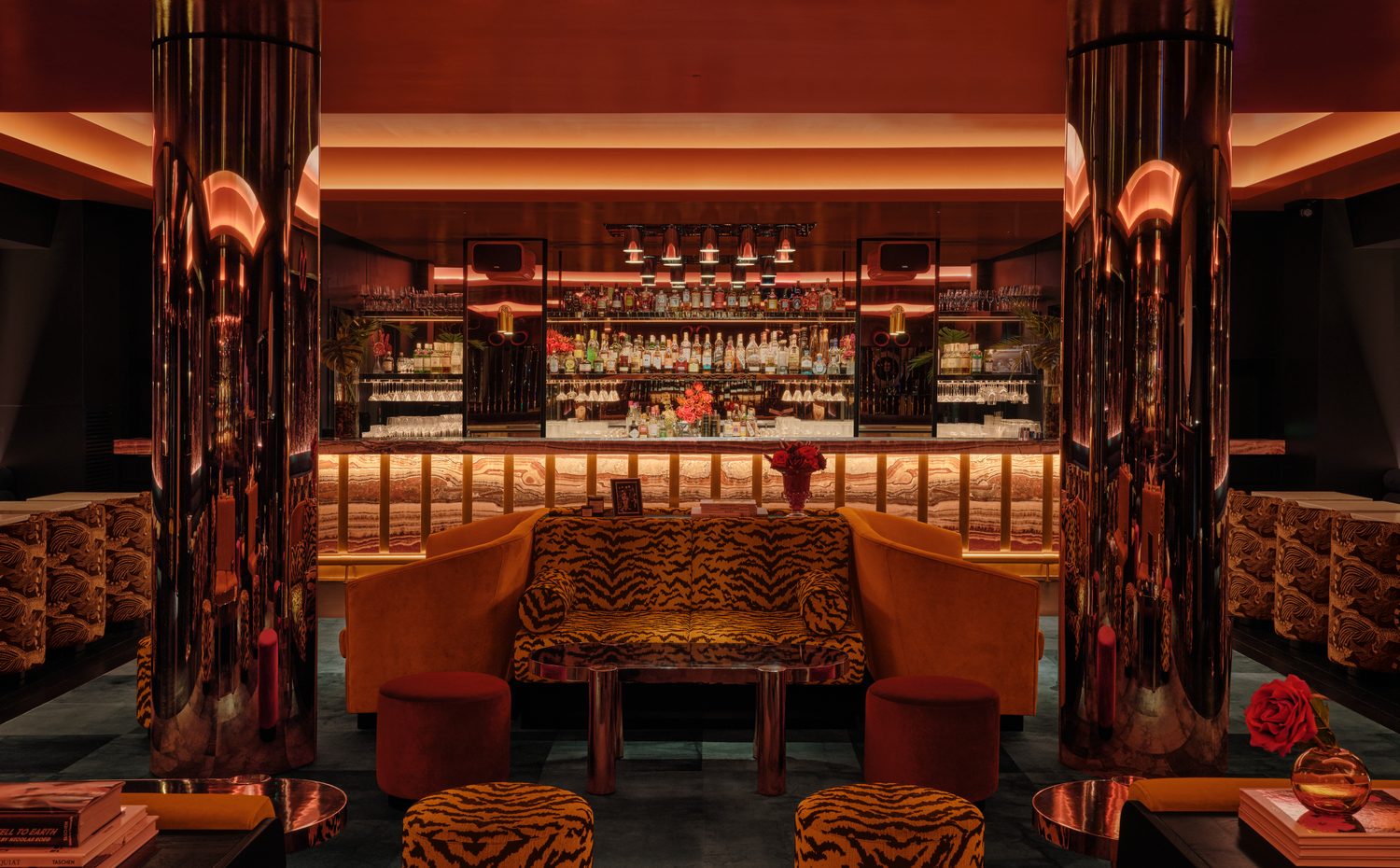
It’s impossible for us to choose just one. Several cities have left their mark on us, each for different reasons, and it’s probably the combination of all these travels that informs the diversity of our projects. The remarkable precision of details in Tokyo, the exuberance of Milanese interiors, the elegance of Paris or the laid-back creativity of Mexico City: we absorb all of it, sometimes without knowing when or how it will resurface in our work.
Travel is essential to our creative inspiration, but also to gaining perspective and clearing our minds. Elsewhere, people live differently. Their relationship with restaurants, shops, public spaces and design differs from ours. We enjoy observing both people’s habits and the places themselves: how they settle in, how long they stay, how they meet. We come back with ideas, impressions and a desire to share some of what we’ve discovered here at home.
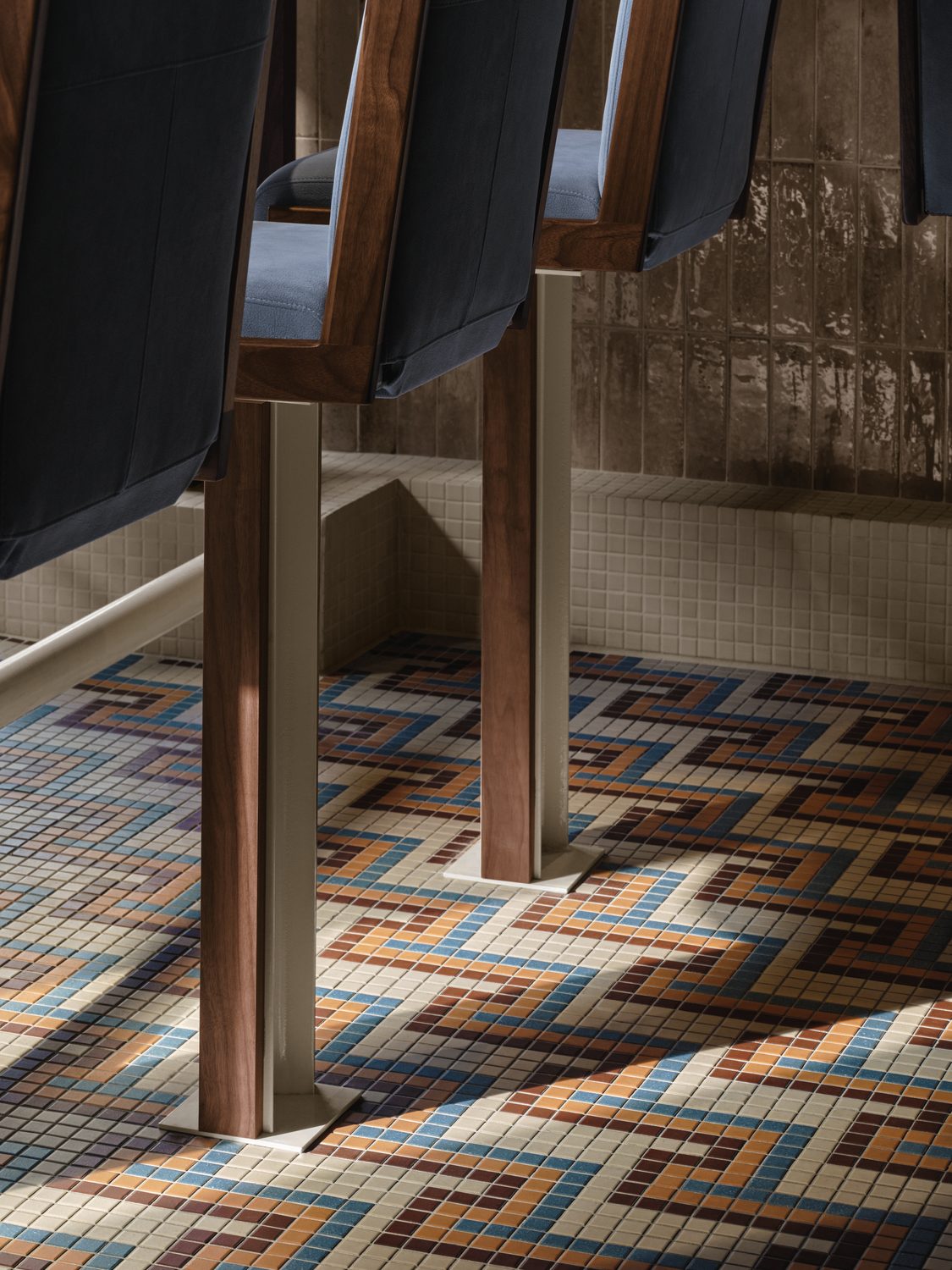
You say that Montréal has a soul and a unique identity in North America. How does that identity translate into your design choices?
What impresses us about Montréal is the concentration of creative talent. In design, music, food and fashion, the level is very high, yet everything remains accessible and unpretentious. There’s a sense of freedom that resonates with us: you feel that you can explore, take risks and propose something personal, and that this approach will be met with curiosity.
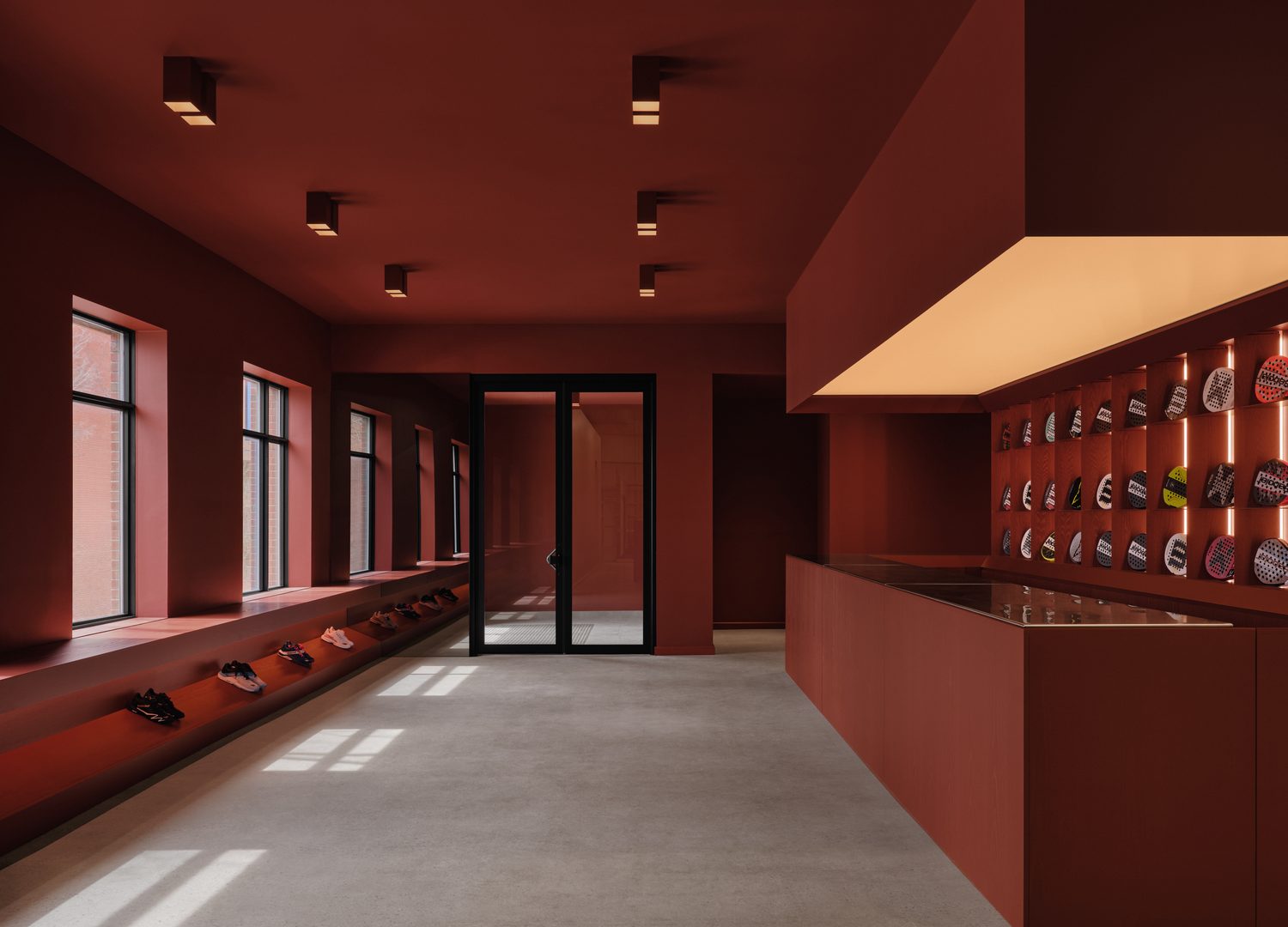
The mix of cultures also opens up an enormous range of possibilities. Very different worlds coexist and naturally intersect. For us, it’s an incredible playground. Our portfolio can bring together a traditional Italian café, a refined French restaurant, an entirely burgundy sports centre and a minimalist veterinary clinic, all within a kilometre of one another and designed by the same team.
This diversity is part of our everyday work. It fuels our desire to evolve our design language from one project to the next and gives us the freedom to follow each client’s identity wherever it may lead.
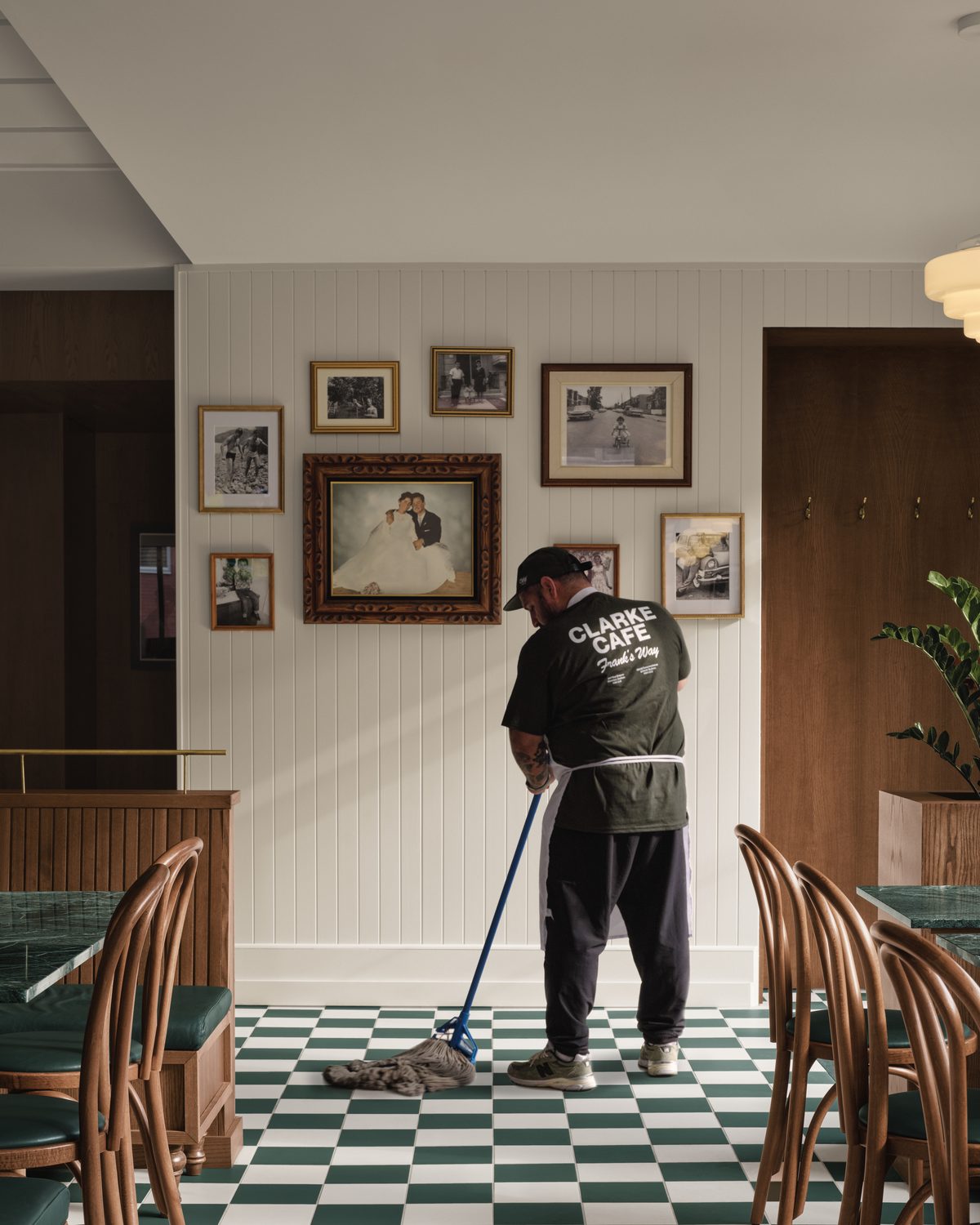
You design places that become landmarks for Montrealers. Do you feel a sense of responsibility towards the city?
Yes, absolutely, and we believe that responsibility belongs to everyone who contributes to shaping it. It’s one of the reasons we love commercial projects so much: they allow us to share our work with a large number of people. A place can become part of a neighbourhood’s routines, host encounters and become part of people’s lives.
In Montréal, the quality of the creative scene constantly pushes us to do better. It’s stimulating to work in a city where so many people are doing great things. It keeps us curious and demanding of ourselves, and makes us want to surprise people with every new project.
We also want these places to truly succeed, to stand the test of time and become institutions and points of reference. Being part of Montréal’s growth and identity is something we’re very excited about, and we take that role seriously.
Above all, we’re drawn to passionate people. The type or scale of a project can vary enormously; the desire to build something together remains the driving force. We’ve been fortunate to meet talented clients and collaborators who have trusted us and who also wanted to contribute something to the city. Everything we’ve built so far exists because of these encounters.
To learn more about Ivy Studio, visit their website and Instagram.
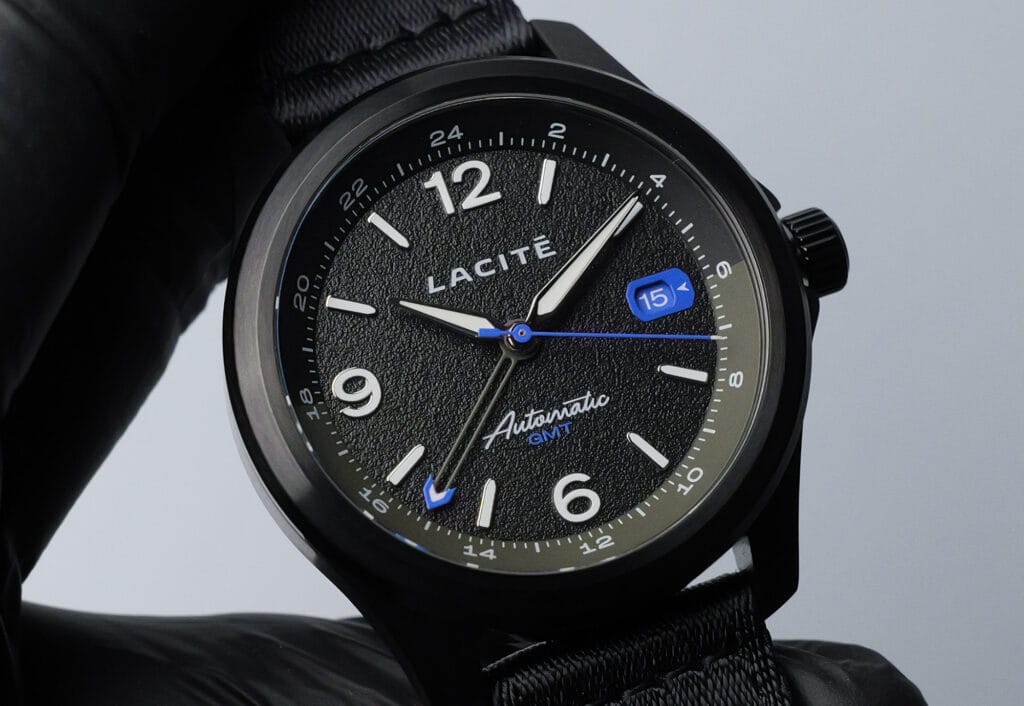
Lacité Watches
Automatic watches designed and assembled in Montréal, drawing inspiration from the great cities of the world.
> Discover the collection.
